How to Source Wholesale Wooden Handicrafts from India: Complete Buyer’s Guide
India is one of the world’s important sourcing destinations for handcrafted wooden products, offering international buyers a combination of traditional craftsmanship, diverse wood species, product variety, customization, and competitive manufacturing.
For importers, wholesalers, retailers, home décor brands, and private-label businesses, sourcing directly from an Indian manufacturer or exporter can provide access to products that are difficult to replicate through mass production.
However, successful sourcing requires more than finding attractive products at a competitive price. Buyers need to evaluate wood quality, craftsmanship, supplier capabilities, minimum order quantities, packaging, quality control, customization, documentation, and shipping arrangements.
This guide explains how to source wholesale wooden handicrafts from India while reducing common purchasing risks.
Why Source Wooden Handicrafts from India?
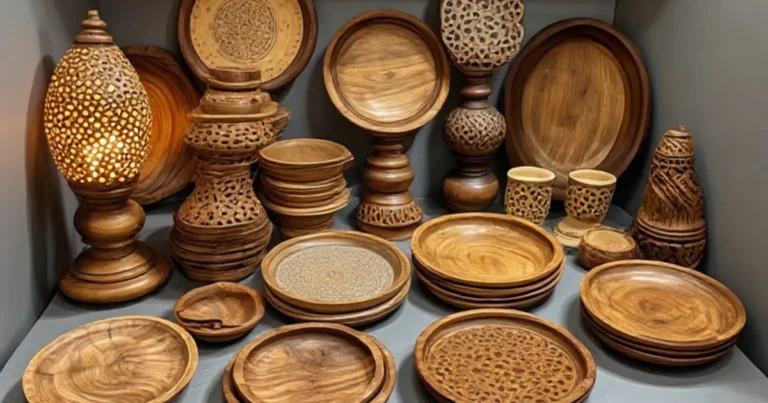
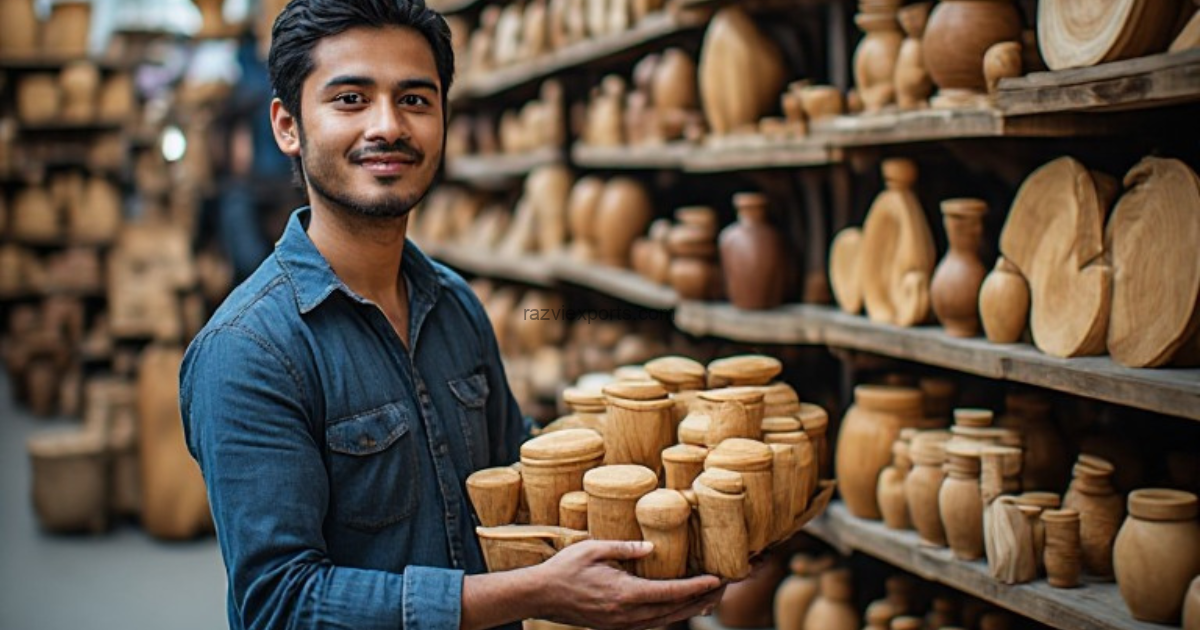
India has a long tradition of woodworking and artisan craftsmanship. Different regions have developed distinctive carving, turning, painting, inlay, and finishing techniques that continue to influence contemporary wooden handicraft designs.
For international buyers, India offers several sourcing advantages:
- Wide variety of wooden handicraft products
- Skilled artisan craftsmanship
- Multiple wood species
- Custom manufacturing capabilities
- Competitive wholesale pricing
- Private-label opportunities
- OEM product development
- Export-oriented packaging
- Traditional and contemporary designs
The combination of craftsmanship and manufacturing flexibility makes India particularly attractive to businesses building differentiated home décor, gifting, kitchenware, and lifestyle collections.
What Wooden Handicrafts Can You Source Wholesale?
Indian manufacturers and exporters can produce a wide range of products for international markets.
Popular categories include:
Home Décor
- Wooden sculptures
- Decorative bowls
- Wall décor
- Candle holders
- Lanterns
- Tabletop accessories
- Decorative boxes
Kitchen and Dining Products
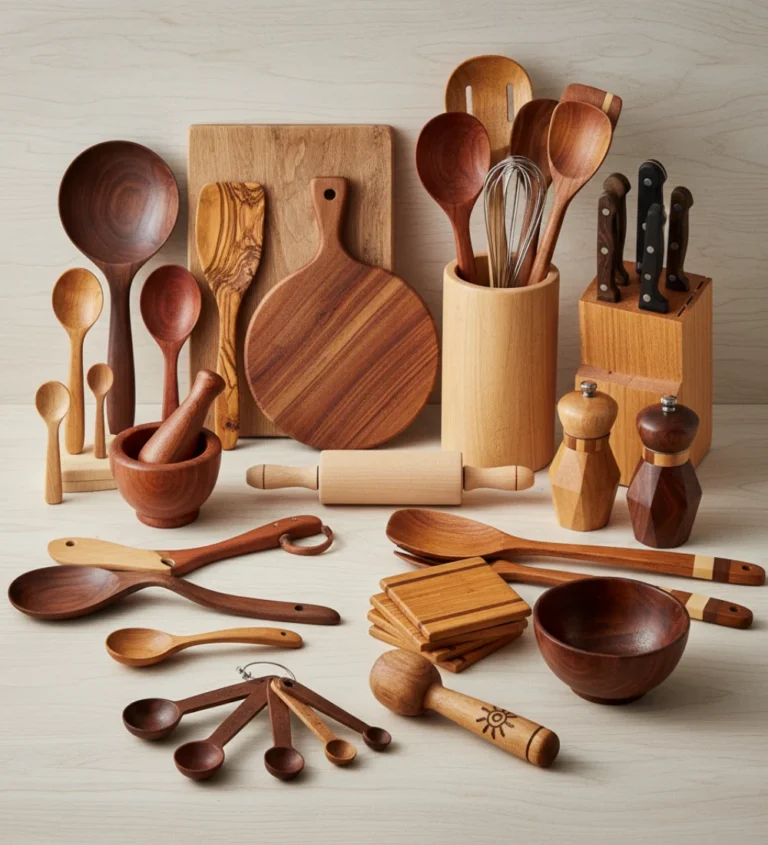
- Serving trays
- Wooden bowls
- Cutting and serving boards
- Coasters
- Spoons
- Napkin holders
- Kitchen organizers
Gifts and Accessories
- Jewelry boxes
- Photo frames
- Desk accessories
- Keepsake boxes
- Key holders
- Decorative gift items
Custom and Private-Label Products
Businesses can also develop exclusive products featuring:
- Custom dimensions
- Logo engraving
- Specific finishes
- Brand colors
- Custom packaging
- Retail labels
- Exclusive designs
Step 1: Define Your Product Requirements
Before contacting suppliers, prepare a clear product specification.
Include:
- Product name
- Dimensions
- Wood species
- Finish
- Color
- Quantity
- Packaging requirements
- Logo or branding requirements
- Target price
- Destination country
If you have reference photographs, sketches, or existing samples, provide them to the manufacturer.
The clearer the specification, the easier it is for a supplier to provide an accurate quotation.
Step 2: Choose the Right Wood
Wood selection has a direct impact on product appearance, durability, weight, and price.
Common options include:
| Wood | Key Characteristics | Suitable For |
|---|---|---|
| Mango Wood | Sustainable, versatile, attractive grain | Décor, trays, bowls |
| Acacia | Strong and durable | Kitchenware, serving products |
| Sheesham | Premium appearance and durability | Luxury décor and gifts |
| Teak | Highly durable and moisture resistant | Premium products |
The best wood depends on the product and target market rather than simply choosing the most expensive material.
For example, Mango Wood may provide an excellent balance of appearance and cost for a large home décor collection, while Teak may be more appropriate for a premium product line.
Step 3: Evaluate the Supplier
Do not choose a manufacturer solely because they offer the lowest quotation.
Evaluate:
- Manufacturing experience
- Product range
- Export experience
- Quality control
- Customization capabilities
- Communication
- Production capacity
- Packaging capabilities
- Sample development
- Delivery reliability
A reliable supplier should be able to clearly explain how products are manufactured, inspected, packed, and prepared for export.
Step 4: Request Samples Before Bulk Production
Never rely only on photographs when placing a significant wholesale order.
A physical sample allows you to inspect:
- Wood quality
- Dimensions
- Weight
- Grain appearance
- Carving details
- Surface finish
- Construction
- Packaging
If you are developing a private-label product, approve a final production sample before mass manufacturing begins.
This sample should become the reference point for production quality and specifications.
Step 5: Understand MOQ and Pricing
Minimum Order Quantity (MOQ) varies according to product design, manufacturing process, customization, and supplier capabilities.
Pricing can be affected by:
- Wood species
- Product dimensions
- Design complexity
- Handcrafted detailing
- Finish
- Quantity
- Packaging
- Branding
- Shipping requirements
A lower unit price does not necessarily mean a better deal. Buyers should consider quality consistency, defect rates, packaging, lead time, and overall landed cost.
Step 6: Discuss Quality Control
Quality control is particularly important when buying handcrafted products because natural materials and manual processes can create variations.
Before production, agree on acceptable standards for:
- Dimensions
- Color
- Finish
- Cracks
- Knots
- Joints
- Carving
- Surface smoothness
- Packaging
Natural wood grain variation should not automatically be treated as a defect. Instead, buyers should distinguish between acceptable natural characteristics and structural or manufacturing defects.
Step 7: Confirm Export Packaging
International transportation exposes products to handling, vibration, stacking, and environmental changes.
Ask your supplier about:
- Individual product protection
- Inner cushioning
- Corrugated cartons
- Master cartons
- Palletization
- Retail packaging
- Moisture protection where appropriate
- Carton labeling
Packaging should be selected according to the product’s size, fragility, weight, and shipping method.
Step 8: Clarify Shipping and Documentation
Before placing the order, clarify the commercial terms and responsibilities of both parties.
Depending on the transaction, buyers may need to discuss:
- Incoterms
- Commercial invoice
- Packing list
- Shipping documents
- Certificate of origin where applicable
- Product-specific documentation
- Customs requirements
- Freight arrangements
- Insurance
Import requirements vary by destination country and product category, so buyers should confirm applicable requirements with their customs broker or relevant authorities.
Step 9: Consider Private Label Manufacturing
For retailers and e-commerce brands, private labeling can turn standard wooden handicrafts into a differentiated product collection.
A manufacturer may be able to provide:
- Branded engraving
- Custom labels
- Logo placement
- Custom colors
- Branded boxes
- Product inserts
- Exclusive designs
Discuss these requirements before production because branding and packaging may affect both MOQ and lead time.
Common Mistakes When Sourcing from India
First-time buyers should avoid several common mistakes:
Choosing Only on Price
The cheapest quotation may involve lower-grade materials, inconsistent finishing, or inadequate packaging.
Skipping Samples
A photograph cannot fully communicate wood quality, weight, finish, or construction.
Not Defining Specifications
Unclear dimensions, colors, finishes, or packaging expectations can create expensive misunderstandings.
Ignoring Packaging
A high-quality product can still arrive damaged if packaging is unsuitable for international transportation.
Ordering Too Much Initially
New buyers may benefit from starting with a manageable order, validating product quality and customer demand before significantly increasing volume.
Why Work With an Experienced Indian Exporter?
A manufacturer experienced in international trade can simplify sourcing by coordinating product development, manufacturing, inspection, packaging, and export preparation.
At Razvi Exports, we work with importers, wholesalers, retailers, and private-label businesses looking for handcrafted wooden products from India. Our approach focuses on understanding the buyer’s product requirements before production, selecting appropriate materials, maintaining consistent finishing standards, and preparing products for international shipment.
For customized projects, buyers can discuss wood species, dimensions, finishes, engraving, packaging, and other specifications before finalizing production.
The objective is not simply to supply a product, but to create a repeatable sourcing process that supports long-term wholesale relationships.
Wholesale Wooden Handicraft Sourcing Checklist
Before confirming an order, make sure you have:
- Approved product samples
- Confirmed wood species
- Final dimensions
- Agreed finish and color
- Confirmed MOQ
- Final quotation
- Packaging specifications
- Branding requirements
- Production lead time
- Quality standards
- Shipping terms
- Required export documentation
Frequently Asked Questions
What is the best way to source wooden handicrafts from India?
The safest approach is to identify an experienced manufacturer or exporter, define detailed product requirements, request physical samples, agree on quality standards, and confirm packaging and shipping arrangements before placing a wholesale order.
What is the MOQ for wholesale wooden handicrafts from India?
MOQ varies by product, design complexity, customization, materials, and supplier. Standard products may have different requirements from customized or private-label products.
Can Indian wooden handicraft manufacturers provide private labeling?
Yes. Many manufacturers offer services such as logo engraving, custom packaging, branded labels, exclusive designs, and customized product specifications for wholesale buyers.
How can I check the quality before placing a bulk order?
Request physical samples and evaluate wood quality, dimensions, craftsmanship, finish, construction, and packaging. For larger orders, buyers may also establish a formal inspection process before shipment.
Which wood is best for wholesale wooden handicrafts?
Mango, Acacia, Sheesham, and Teak are all commonly used. The best option depends on the product application, desired appearance, durability, target market, and budget.
Conclusion
Sourcing wholesale wooden handicrafts from India can give international businesses access to skilled craftsmanship, diverse product categories, natural materials, and flexible customization. However, successful importing depends on choosing the right supplier and establishing clear expectations from the beginning.
The most important steps are simple: define your requirements, select the appropriate wood, evaluate suppliers carefully, approve samples, establish quality standards, confirm packaging, and clarify shipping responsibilities before production.
For businesses seeking a long-term sourcing relationship, Razvi Exports provides handcrafted wooden products for wholesalers, retailers, importers, and private-label brands, with support for customization, quality requirements, and export-ready production.
Looking to source wooden handicrafts from India? Contact Razvi Exports to discuss your product requirements, request samples, and develop a wholesale collection for your market.
Check Our More Related Blogs
Wooden Handicrafts: Complete Buyer’s Guide
Types of Wood Used in Indian Handicrafts
Wooden Handicraft Care & Maintenance Guide
Wooden Handicraft Care & Maintenance Guide
Solid Wood vs MDF/Engineered Wood Handicrafts for Export: Which Is Better?
How Handmade Wooden Kitchenware Is Made in India
FSC-Certified & Sustainable Wood Sourcing Explained