Wooden Handicrafts: Complete Buyer’s Guide for Importers, Wholesalers & Retailers
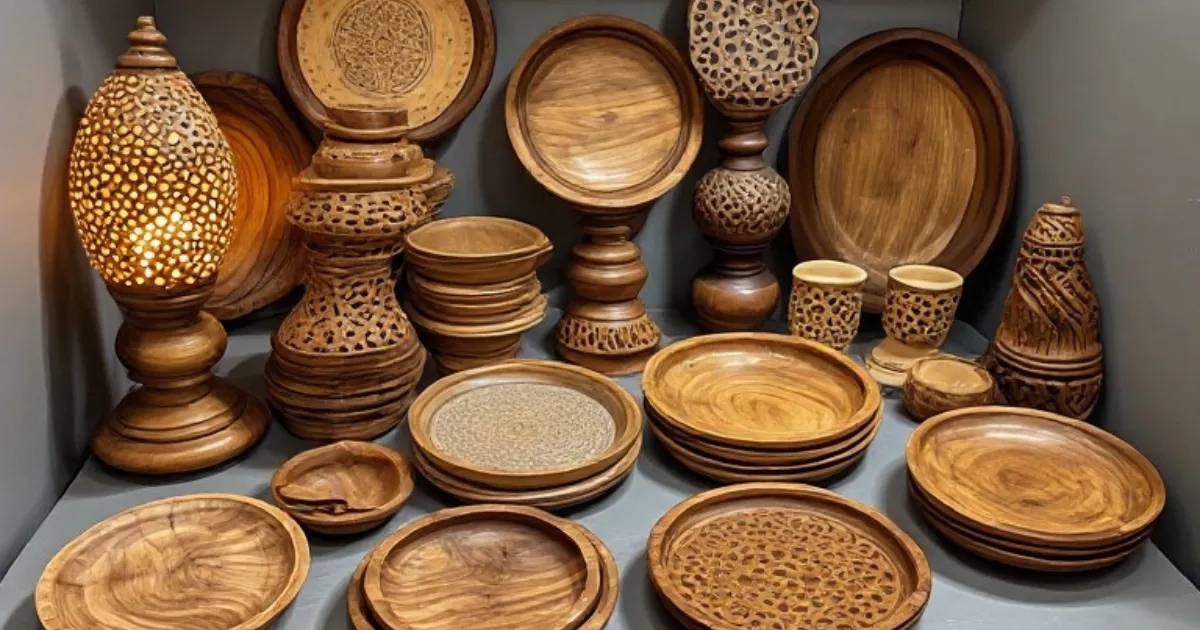
Wooden handicrafts have become one of the fastest-growing categories in the global home décor and gifting industry. Consumers increasingly value products made from natural materials, handcrafted by skilled artisans, and designed to last. As a result, retailers, wholesalers, and private-label brands are actively sourcing wooden handicrafts that combine quality craftsmanship with sustainable materials.
However, buying wooden handicrafts is about more than choosing attractive designs. Factors such as wood species, craftsmanship, moisture content, finishing, packaging, and supplier reliability directly influence product quality and customer satisfaction. A beautifully carved product can still fail if it cracks during shipping or arrives with an inconsistent finish.
This guide explains what every buyer should know before placing a bulk order, helping you make informed sourcing decisions and reduce costly mistakes.
What Are Wooden Handicrafts?
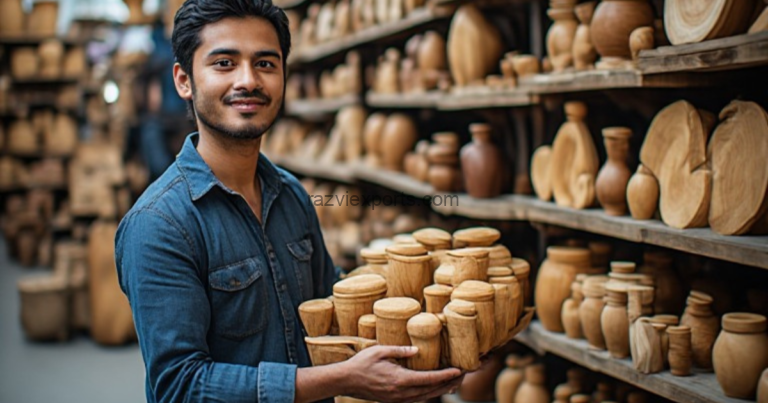
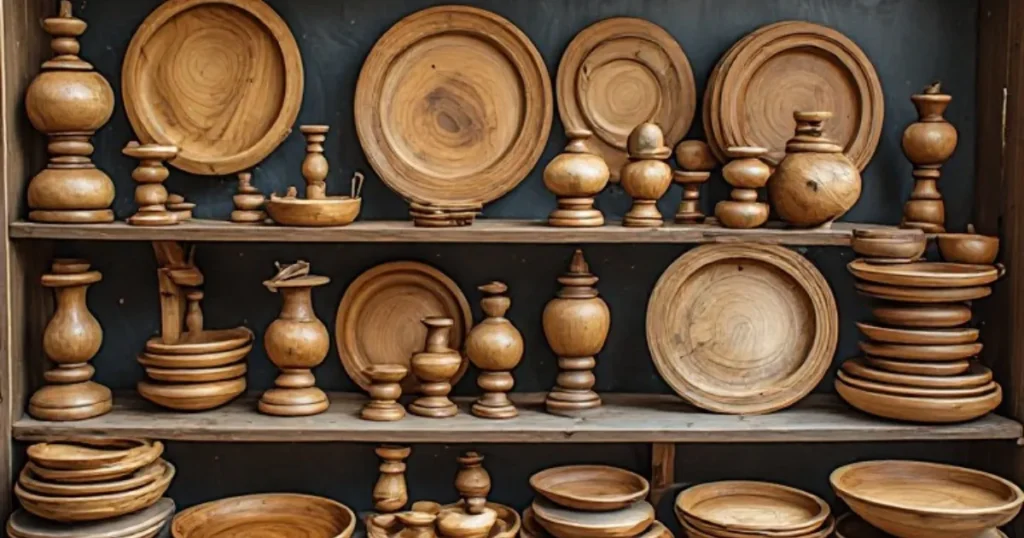
Wooden handicrafts are decorative or functional products created from natural wood using traditional craftsmanship, modern woodworking techniques, or a combination of both. Unlike mass-produced products, handcrafted wooden items often display unique wood grain patterns, hand-finished details, and slight variations that make each piece distinctive.
Popular wooden handicraft categories include:
- Home décor accessories
- Decorative trays and bowls
- Candle holders
- Wall décor
- Jewelry boxes
- Wooden kitchenware
- Office desk accessories
- Gift items
- Religious and spiritual décor
- Seasonal decorations
Because wood is durable, versatile, and timeless, these products appeal to customers across different interior design styles, from rustic and farmhouse to modern and minimalist.
Why Wooden Handicrafts Continue to Grow in Demand
Consumer preferences have shifted toward products that are sustainable, durable, and aesthetically pleasing. Wooden handicrafts naturally align with these expectations because they offer warmth, authenticity, and long-term value.
Several factors contribute to their growing popularity:
- Natural materials with unique grain patterns
- Handmade craftsmanship that adds character
- Eco-conscious alternatives to plastic décor
- High perceived value for gifting
- Versatility across residential and commercial spaces
- Long product lifespan with proper care
For businesses, wooden handicrafts also provide opportunities for product differentiation through custom designs, finishes, and private labeling.
Choosing the Right Wood Makes a Difference
Not all wooden handicrafts perform the same. The type of wood affects appearance, durability, weight, machining, and overall cost.
| Wood Type | Key Advantages | Common Applications |
|---|---|---|
| Mango Wood | Sustainable, attractive grain, easy to carve | Home décor, trays, bowls |
| Acacia Wood | Strong, moisture-resistant, durable | Kitchenware, serving boards |
| Sheesham (Indian Rosewood) | Premium appearance, rich natural color | Luxury décor and gift items |
| Teak Wood | Exceptional durability and weather resistance | Premium decorative products |
| Pine Wood | Lightweight and economical | Painted decorative items |
Experienced buyers often select wood based on their target market rather than price alone. For example, retailers focusing on premium home décor may prefer Sheesham or Teak, while businesses targeting affordable lifestyle products often choose Mango Wood because it balances quality and value.
How High-Quality Wooden Handicrafts Are Manufactured
Understanding the manufacturing process helps buyers evaluate product quality beyond appearance.
A typical production process includes:
- Selecting suitable timber
- Proper seasoning to reduce moisture
- Cutting and shaping the components
- Hand carving or precision machining
- Sanding to create a smooth surface
- Assembly and joint inspection
- Staining or surface finishing
- Final quality inspection
- Protective export packaging
Each stage affects the final product. Even a well-designed item can develop cracks or loose joints if the wood has not been properly seasoned before manufacturing.
One of the most overlooked aspects in export manufacturing is moisture control. Wood naturally expands and contracts as humidity changes. Proper seasoning helps improve dimensional stability and reduces the likelihood of warping or cracking during international transportation.
How to Evaluate Quality Before Placing a Bulk Order
Many buyers focus primarily on design, but experienced importers know that quality consistency is equally important.
When reviewing product samples, inspect the following:
Wood Quality
The wood should be free from visible cracks, excessive knots, insect damage, and signs of decay. Natural grain variation is expected and often enhances the product’s appearance, but structural defects should be avoided.
Surface Finish
A quality finish should feel smooth and consistent without rough sanding marks, bubbles, uneven staining, or visible brush lines. The finish should enhance the natural beauty of the wood while providing adequate surface protection.
Construction
Check that joints are secure, corners align correctly, and moving parts such as lids or drawers operate smoothly. Products should feel stable without wobbling or loose components.
Dimensional Accuracy
If your products will be sold as matching collections, consistent sizing across production batches becomes particularly important. Small variations are common in handcrafted products, but significant differences may affect retail presentation.
Packaging
Quality products also require quality packaging. Protective wrapping, cushioning materials, and sturdy export cartons help minimize damage during handling and international shipping.
Common Mistakes Buyers Should Avoid
Many sourcing challenges can be prevented through proper planning.
Some of the most common mistakes include:
- Choosing suppliers based only on the lowest price
- Approving products without reviewing physical samples
- Ignoring wood species specifications
- Overlooking packaging requirements
- Failing to define finishing standards
- Not confirming production lead times
- Assuming every handcrafted product will be identical
Clear specifications before production reduce misunderstandings and improve consistency across large orders.
How to Choose a Reliable Wooden Handicraft Supplier
Selecting the right supplier is just as important as selecting the right product.
Rather than comparing prices alone, evaluate suppliers based on their manufacturing capabilities, communication, quality control systems, customization options, and export experience.
Ask practical questions such as:
- Which wood species do you recommend for my market?
- Can products be customized or private labeled?
- How is quality inspected before shipment?
- What packaging options are available?
- What is the expected production lead time?
- Can production samples be approved before bulk manufacturing?
Reliable suppliers should be able to answer these questions confidently and provide clear documentation throughout the sourcing process. Businesses with established export experience often have structured production and inspection processes that help maintain consistent quality across international orders.
Understanding Pricing: What Determines the Cost of Wooden Handicrafts?
One of the most common questions buyers ask is, “Why do similar-looking products have different prices?” The answer lies in the materials, craftsmanship, and production requirements behind each item.
Several factors influence the final cost of wooden handicrafts:
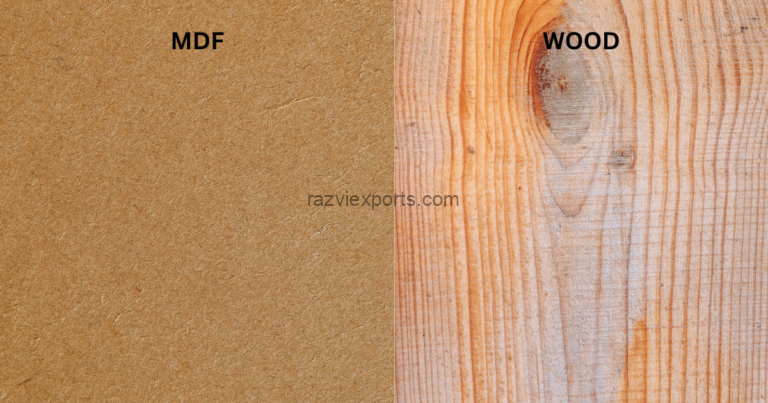
- Wood species: Premium hardwoods generally cost more than fast-growing or engineered woods.
- Design complexity: Hand-carved patterns, intricate detailing, and multi-piece assemblies require more labor.
- Dimensions and weight: Larger products consume more raw material and increase shipping costs.
- Surface finish: Natural, matte, antique, distressed, or hand-painted finishes involve different production processes.
- Customization: Laser engraving, private labeling, branded packaging, and exclusive designs may increase production costs.
- Order quantity: Larger orders often reduce the per-unit manufacturing cost by improving production efficiency.
Instead of selecting a supplier based solely on the lowest quotation, buyers should evaluate the overall value offered. Consistent quality, reliable delivery, and lower defect rates often provide greater long-term savings than a lower initial purchase price.
Customization and Private Label Opportunities
Today’s retailers increasingly look for products that differentiate their brand from competitors. Many manufacturers therefore offer customization services for bulk buyers.
Common options include:
- Logo engraving
- Custom dimensions
- Exclusive product designs
- Color and finish selection
- Retail-ready packaging
- Barcode labeling
- Private labeling
- Gift box packaging
Before requesting customized products, prepare detailed specifications, reference images, and packaging requirements. Clear communication during product development helps minimize revisions and ensures the final product aligns with your brand expectations.
Sustainability Is Becoming a Key Buying Factor
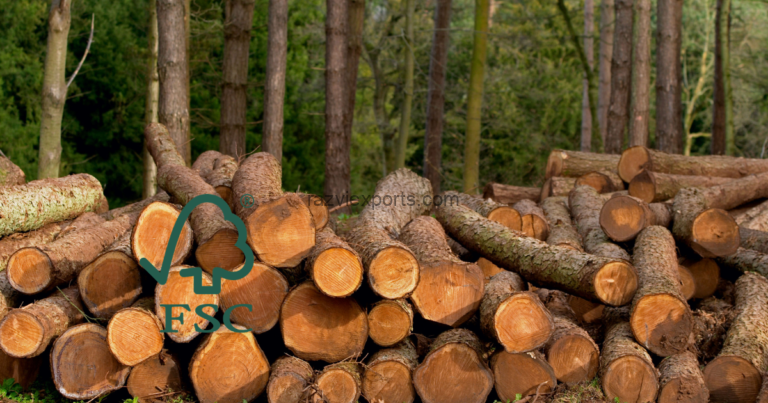
Environmental responsibility has become an important purchasing consideration for both businesses and consumers. Many retailers now prefer suppliers that use responsibly sourced wood and environmentally conscious manufacturing practices.
When evaluating a supplier, consider asking about:
- Responsible sourcing of timber
- Waste reduction during production
- Eco-friendly finishing materials
- Recyclable packaging options
- Support for artisan craftsmanship
- Ethical working practices
Sustainability is no longer just a marketing trend—it has become a purchasing requirement in many international markets.
Packaging Matters More Than Many Buyers Realize
Even a perfectly manufactured product can arrive damaged if it is not packaged correctly.
Export packaging should protect products from impact, vibration, and changes in humidity during transportation. Depending on the product category, packaging may include:
- Individual protective wrapping
- Bubble cushioning
- Foam inserts
- Corrugated export cartons
- Master cartons
- Palletized shipments
- Retail-ready gift boxes
For fragile decorative items, buyers should confirm that packaging has been designed specifically for international shipping rather than domestic transport.
Why India Is a Preferred Sourcing Destination
India has earned a strong reputation in the global handicrafts industry because of its rich woodworking traditions, skilled artisans, and wide availability of quality timber species.
International buyers often choose Indian manufacturers because they offer:
- Extensive craftsmanship across traditional and contemporary designs
- Competitive manufacturing costs
- Flexible production for both small and large orders
- Strong customization capabilities
- Experience serving international retail markets
- A wide variety of handcrafted wooden products
This combination allows buyers to source products that balance quality, design, and commercial viability.
Working with an Experienced Export Partner
Choosing a supplier is not only about manufacturing capability—it is also about reliability throughout the export process.
An experienced exporter understands production planning, quality inspections, documentation, packaging, and shipping requirements. These processes help reduce delays, minimize product damage, and ensure that buyers receive products matching approved specifications.
At Razvi Exports, our approach is built around consistency rather than volume. From selecting suitable wood species to final inspection before dispatch, every production stage is carefully monitored to help maintain product quality across bulk orders.
We also work closely with importers, wholesalers, retailers, and private-label brands by offering customization options, export-ready packaging, and clear communication throughout production. Instead of recommending the same solution for every customer, we help buyers select products, finishes, and packaging based on their target market and business requirements.
Our objective is simple: to build long-term business relationships by delivering products that meet expectations from sample approval through final shipment.
Frequently Asked Questions
Which wood is best for wooden handicrafts?
There is no single “best” wood. Mango Wood is valued for sustainability and attractive grain, Acacia offers excellent durability, Sheesham provides a premium appearance, and Teak is known for exceptional strength and longevity. The right choice depends on the intended product, budget, and target market.
Are handcrafted wooden products suitable for international shipping?
Yes. When properly seasoned, manufactured, and packaged, wooden handicrafts can be safely exported worldwide. Appropriate packaging plays an important role in protecting products during transit.
Can wooden handicrafts be customized?
Yes. Many manufacturers offer customization services including private labeling, custom sizes, logo engraving, exclusive designs, and branded packaging for wholesale orders.
How can buyers verify product quality?
Request production samples, review finish quality, inspect construction, confirm wood species, and discuss the supplier’s quality control process before placing a bulk order.
What should buyers ask before placing an order?
Key questions include:
- Which wood species will be used?
- What is the production lead time?
- What packaging is included?
- Are customization options available?
- How is quality inspected?
- Can production samples be approved before manufacturing begins?
Final Thoughts
Wooden handicrafts continue to attract global demand because they combine craftsmanship, functionality, and natural beauty. However, successful sourcing depends on much more than selecting attractive designs. Understanding wood species, manufacturing methods, finishing quality, packaging standards, and supplier capabilities enables buyers to make confident purchasing decisions while reducing the risks associated with international procurement.
Whether you are launching a new home décor collection, expanding a retail product line, or developing a private-label brand, investing time in supplier evaluation and product quality will deliver better long-term results than focusing on price alone.
If you are looking for a manufacturing partner that understands international quality expectations and offers customized wooden handicraft solutions, the team at Razvi Exports is available to discuss your sourcing requirements, recommend suitable products, and support your business with reliable export services.