FSC-Certified & Sustainable Wood Sourcing Explained: A Buyer’s Guide
As consumers become more environmentally conscious, sustainability has become a key consideration in the global wooden handicrafts industry. Importers, retailers, and private-label brands increasingly seek products made from responsibly sourced wood to meet customer expectations, comply with regulations, and strengthen their sustainability commitments.
One of the most recognized standards for responsible forestry is Forest Stewardship Council (FSC) certification. However, FSC certification is only one part of sustainable wood sourcing. Buyers should also understand where the wood comes from, how it is harvested, and whether the manufacturing process supports environmental and ethical practices.
This guide explains FSC-certified wood, sustainable sourcing, and how buyers can make informed purchasing decisions when importing wooden handicrafts.
What Is FSC Certification?
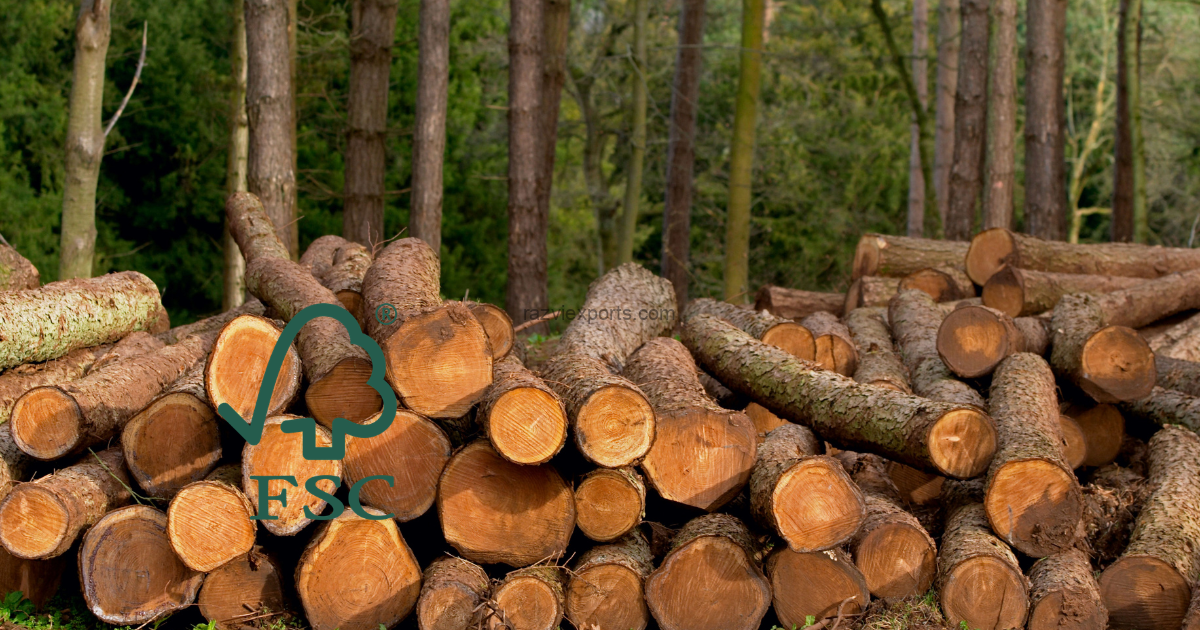
The Forest Stewardship Council (FSC) is an independent international organization that promotes responsible forest management. FSC certification helps ensure that wood products originate from forests managed according to environmental, social, and economic standards.
An FSC-certified supply chain is designed to protect biodiversity, support local communities, respect workers’ rights, and encourage responsible harvesting practices.
For buyers, FSC certification provides additional confidence that the raw material has been sourced responsibly.
What Does Sustainable Wood Sourcing Mean?
Sustainable wood sourcing goes beyond a certification label. It involves selecting timber in ways that balance environmental protection with long-term resource availability.
Responsible sourcing generally includes:
- Harvesting wood from responsibly managed forests
- Reducing waste during production
- Supporting reforestation where appropriate
- Using plantation-grown species when suitable
- Maximizing material utilization
- Following ethical labor practices
- Complying with environmental regulations
A sustainable approach helps preserve forest resources while supporting businesses and communities that depend on them.
Why Sustainable Sourcing Matters
Consumers today are paying greater attention to how products are made. Many retailers also have sustainability goals that influence supplier selection.
Responsibly sourced wooden handicrafts can help businesses:
- Strengthen brand reputation
- Meet customer expectations
- Support responsible forestry
- Reduce environmental impact
- Improve long-term supply stability
- Differentiate products in competitive markets
Sustainability has become a business advantage rather than simply a marketing message.
Common Wood Species Used in Sustainable Handicrafts
Several wood species commonly used in Indian handicrafts are well suited for responsible sourcing when obtained through appropriate forestry practices.
Mango Wood
Mango wood is widely recognized as a sustainable option because it is harvested after mango trees complete their productive fruit-bearing life. Instead of being discarded, the timber is repurposed into furniture and handicrafts.
Acacia Wood
Acacia is a fast-growing hardwood valued for its strength, attractive grain, and renewable characteristics when responsibly managed.
Sheesham (Indian Rosewood)
Sheesham is appreciated for its durability and premium appearance. Buyers should always ensure it is sourced in compliance with applicable forestry regulations and trade requirements.
Teak
Teak remains one of the world’s most durable hardwoods. Responsibly managed plantations help support sustainable teak production for long-term use.
FSC-Certified Wood vs Sustainably Sourced Wood
Although these terms are often used together, they are not identical.
| FSC-Certified Wood | Sustainably Sourced Wood |
|---|---|
| Verified through FSC certification | May follow responsible sourcing practices without FSC certification |
| Independent third-party verification | Practices vary by supplier |
| Chain of custody can be documented | Documentation depends on supplier policies |
| Widely recognized internationally | May include multiple responsible sourcing approaches |
Buyers should discuss certification requirements with suppliers before placing orders, particularly if their retail markets require specific environmental credentials.
Questions Buyers Should Ask Suppliers
When evaluating wooden handicraft manufacturers, consider asking:
- Where is the wood sourced?
- Is FSC-certified wood available?
- Which wood species are used?
- How is wood waste managed?
- What sustainability practices are followed during production?
- Can documentation be provided if certification is requested?
These questions help buyers better understand a supplier’s sourcing practices and manufacturing standards.
Razvi Exports’ Approach to Responsible Manufacturing
At Razvi Exports, we recognize that responsible sourcing is increasingly important to international buyers. Our manufacturing approach emphasizes careful material selection, efficient production methods, and minimizing unnecessary waste wherever practical.
We manufacture handcrafted products using quality wood species such as Mango Wood, Acacia, Sheesham, and Teak, selecting materials based on customer requirements, product application, and responsible sourcing considerations.
For buyers with specific sustainability requirements, our team works closely to discuss available material options and documentation before production begins.
Frequently Asked Questions
What is FSC-certified wood?
FSC-certified wood comes from forests managed according to the Forest Stewardship Council’s environmental, social, and economic standards. The certification helps verify responsible forest management and supply chain practices.
Is FSC certification mandatory for wooden handicrafts?
No. FSC certification is not mandatory in most markets, but many retailers and buyers prefer FSC-certified products to support their sustainability commitments.
Is Mango Wood environmentally friendly?
Yes. Mango wood is widely considered an environmentally responsible material because it is harvested after mango trees complete their productive fruit-bearing life, allowing the timber to be repurposed rather than wasted.
What should buyers ask about sustainable sourcing?
Buyers should ask about the origin of the wood, available certifications, responsible sourcing practices, waste management, and documentation that supports environmental claims.
Conclusion
Sustainable wood sourcing is becoming an essential consideration for businesses purchasing wooden handicrafts. While FSC certification remains one of the most recognized standards, buyers should also evaluate broader sourcing practices, manufacturing processes, and supplier transparency.
By understanding the difference between certified and responsibly sourced wood, businesses can make purchasing decisions that support product quality, environmental responsibility, and long-term customer trust.
If you are looking for a reliable manufacturing partner for export-quality wooden handicrafts, Razvi Exports offers thoughtfully crafted products, customization options, and responsible manufacturing practices tailored to the needs of global wholesalers, retailers, and private-label brands.
Check Our More Related Blogs
Wooden Handicrafts: Complete Buyer’s Guide
Types of Wood Used in Indian Handicrafts
Wooden Handicraft Care & Maintenance Guide
Wooden Handicraft Care & Maintenance Guide
Solid Wood vs MDF/Engineered Wood Handicrafts for Export: Which Is Better?
How Handmade Wooden Kitchenware Is Made in India