Wooden Handicraft Care & Maintenance Guide: Keep Your Wooden Décor Beautiful for Years
Wooden handicrafts bring warmth, character, and timeless elegance to homes, offices, hotels, and commercial spaces. Whether it’s a handcrafted serving tray, decorative bowl, carved sculpture, or wall art, every wooden product deserves proper care to preserve its beauty and durability.
Unlike synthetic materials, wood is a natural material that responds to changes in temperature, humidity, and daily use. Without proper maintenance, even high-quality handcrafted products may lose their finish, develop cracks, or become dull over time.
The good news is that caring for wooden handicrafts is simple. With a few preventive measures and regular maintenance, your wooden décor can remain attractive and functional for many years.
This guide shares practical care tips for homeowners, retailers, wholesalers, and importers to help protect handcrafted wooden products and maximize their lifespan.
Why Proper Care Matters
Every piece of wood has its own natural grain, texture, and moisture content. These characteristics make wooden handicrafts unique, but they also require thoughtful care.
Proper maintenance helps:
- Preserve the natural wood grain
- Maintain the original finish
- Prevent cracking and warping
- Protect against moisture damage
- Extend product lifespan
- Maintain retail appearance
- Reduce replacement costs
For businesses, well-maintained display products also create a stronger impression on customers and reflect the quality of the products being sold.
Understanding Natural Wood
Unlike plastic or metal, wood is a living material even after it has been crafted into decorative products. It naturally expands and contracts as environmental conditions change.
Factors that influence wooden handicrafts include:
- Humidity
- Temperature
- Direct sunlight
- Moisture exposure
- Indoor air quality
This natural movement is normal and explains why wooden products should not be exposed to excessive moisture or extreme temperature fluctuations.
Daily Cleaning Tips
Regular cleaning is the easiest way to keep wooden handicrafts looking their best.
Use a Soft Dry Cloth
Dust gradually accumulates on decorative items, reducing their natural beauty.
A soft microfiber or cotton cloth is ideal for removing dust without scratching the surface.
Avoid rough fabrics that may damage delicate finishes or carved details.
Clean Spills Immediately
If water, tea, coffee, or other liquids spill onto a wooden handicraft, wipe them away immediately using a soft dry cloth.
Allowing liquids to remain on the surface for extended periods may affect the finish or allow moisture to penetrate the wood.
Avoid Harsh Cleaning Chemicals
Many household cleaning products contain strong chemicals that may damage protective coatings or alter the wood’s natural appearance.
Instead, use:
- Soft cloths
- Mild soap solution when necessary
- Slightly damp cloths followed by immediate drying
Avoid soaking wooden products in water.
Protect Wooden Handicrafts from Moisture
Moisture is one of the most common causes of damage to wooden products.
Excessive humidity can lead to:
- Swelling
- Warping
- Surface discoloration
- Mold growth
- Joint loosening
To reduce moisture-related issues:
- Keep products in well-ventilated areas.
- Avoid placing wooden décor in damp rooms for extended periods.
- Use coasters or protective pads beneath decorative bowls and trays if they are placed on wet surfaces.
- Dry products immediately if they become wet.
For export buyers, maintaining appropriate storage conditions after delivery is just as important as proper manufacturing.
Avoid Direct Sunlight
Natural sunlight enhances interior spaces, but prolonged exposure can gradually affect wooden handicrafts.
Over time, ultraviolet (UV) rays may:
- Fade natural wood color
- Dry out protective finishes
- Cause uneven discoloration
- Increase the risk of surface cracking
Whenever possible, position decorative wooden products away from windows receiving intense afternoon sunlight.
If display near windows is unavoidable, rotating decorative pieces periodically helps ensure more even exposure.
Keep Wooden Products Away from Heat Sources
Extreme heat can reduce the moisture content within wood too quickly.
Avoid placing wooden handicrafts near:
- Fireplaces
- Room heaters
- Radiators
- Heating vents
- Stoves
Continuous exposure to heat may increase the likelihood of shrinkage or fine surface cracks.
Maintaining a stable indoor environment is one of the simplest ways to protect handcrafted wooden products.
Safe Handling Practices
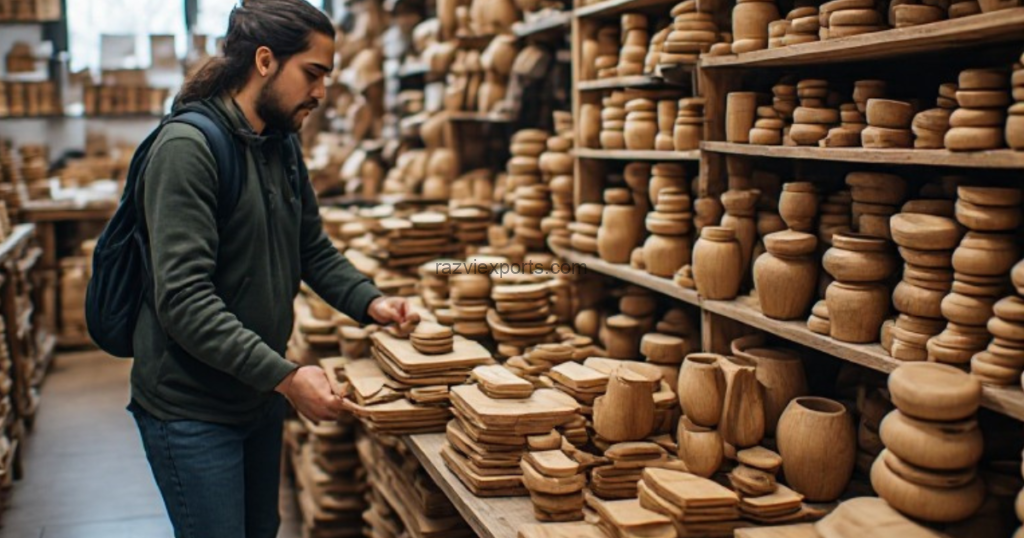
Beautiful handcrafted products deserve careful handling.
Whenever moving decorative items:
- Lift rather than drag products across surfaces.
- Support larger items with both hands.
- Avoid placing heavy objects on delicate decorative pieces.
- Handle carved details carefully to prevent accidental damage.
Retailers should also train showroom staff to handle handcrafted products with care, especially during customer demonstrations.
Caring for Different Surface Finishes
Different finishes require slightly different maintenance routines.
Natural Finish
Natural-finish products highlight the wood’s original grain and texture.
Dust regularly and avoid prolonged exposure to moisture.
Matte Finish
Matte finishes provide a modern appearance but can show fingerprints more easily.
Clean gently using a microfiber cloth without excessive rubbing.
Gloss Finish
Gloss finishes provide additional surface protection while enhancing color depth.
Avoid abrasive materials that could create fine scratches.
Painted or Decorative Finish
Painted handicrafts should be cleaned carefully using a dry cloth.
Avoid strong cleaning agents that may affect painted surfaces or decorative artwork.
Common Maintenance Mistakes
Many maintenance problems result from simple mistakes that are easy to avoid.
Common examples include:
- Washing decorative products under running water
- Using abrasive scrubbers
- Leaving wet items unattended
- Placing products in direct sunlight for long periods
- Using harsh chemical cleaners
- Storing products in damp environments
Following basic care practices significantly extends the life and appearance of handcrafted wooden products.
Long-Term Storage Tips
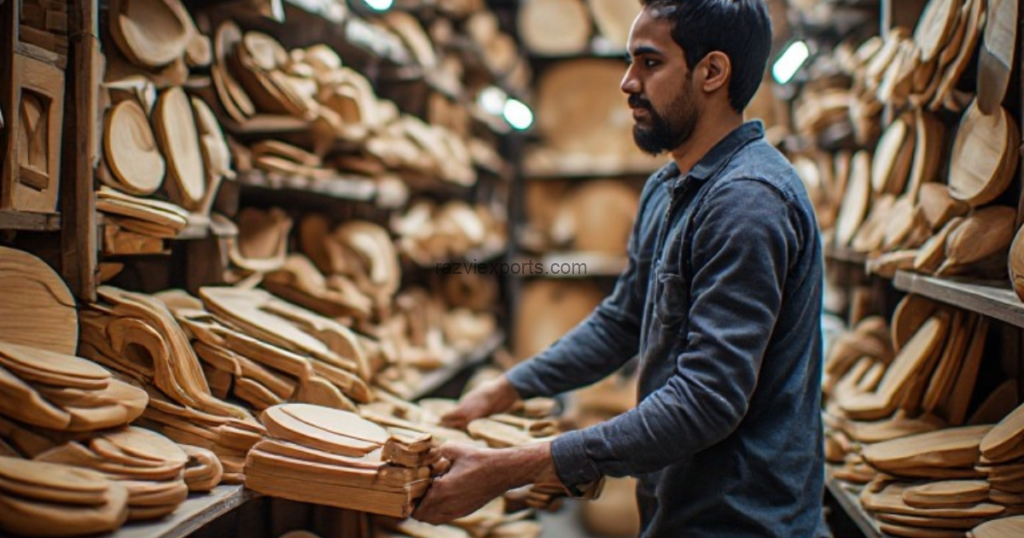
If wooden handicrafts are stored for extended periods, proper storage conditions are essential to preserve their appearance and structural integrity.
Follow these best practices:
- Store products in a cool, dry, and well-ventilated area.
- Keep items away from damp floors and walls.
- Avoid stacking heavy products on delicate handcrafted pieces.
- Use protective wrapping or soft padding to prevent scratches during storage.
- Inspect stored products periodically for dust or moisture buildup.
For retailers and wholesalers, maintaining a clean storage environment helps ensure products reach customers in excellent condition.
Care Tips for Retailers, Wholesalers & Importers
Businesses handling wooden handicrafts should go beyond basic cleaning and focus on protecting products throughout the supply chain.
Some practical recommendations include:
- Inspect products upon delivery.
- Store inventory in climate-controlled warehouses whenever possible.
- Avoid exposing products to excessive humidity or direct sunlight in showrooms.
- Handle display items carefully during customer interactions.
- Use proper packaging when shipping products to retail stores or end customers.
These simple practices reduce damage, improve customer satisfaction, and help maintain product quality.
Quality Manufacturing Supports Long-Term Durability
Proper maintenance begins with quality manufacturing. Well-seasoned wood, precision craftsmanship, and durable finishes all contribute to a product’s longevity.
At Razvi Exports, every wooden handicraft is manufactured with careful attention to material selection, finishing quality, and export-ready packaging. Our production process is designed to help products withstand international transportation while preserving their natural beauty.
Although regular care remains important, starting with well-crafted products significantly reduces the likelihood of issues such as cracking, warping, or inconsistent finishes.
Frequently Asked Questions
How often should wooden handicrafts be cleaned?
Dust wooden handicrafts weekly using a soft microfiber cloth. Clean more frequently if they are displayed in high-traffic or dusty environments.
Can I wash wooden handicrafts with water?
Avoid soaking wooden handicrafts in water. If necessary, use a slightly damp cloth and dry the product immediately with a clean, soft cloth.
How can I protect wooden handicrafts from fading?
Keep products away from prolonged direct sunlight and excessive heat. Rotating display items occasionally also helps maintain an even appearance.
Should wooden handicrafts be polished?
Some products benefit from occasional polishing with a wood-safe product recommended by the manufacturer. Always test on a small, inconspicuous area first and avoid excessive application.
Conclusion
Wooden handicrafts are designed to offer lasting beauty, but their appearance depends on proper care and handling. Regular dusting, protection from moisture and direct sunlight, careful storage, and gentle cleaning all help preserve their natural charm for years.
Whether you are decorating a home, managing a retail collection, or sourcing products for international markets, following these maintenance practices will protect your investment and extend the life of handcrafted wooden products.
If you are looking for high-quality wooden handicrafts manufactured for durability, consistency, and export performance, Razvi Exports offers expertly crafted collections tailored to the needs of wholesalers, retailers, and private-label brands worldwide.
Read these important topics as well, Complete Wood Handicrafts Sourcing Guide
Types of Wood Used in Indian Handicraftshttps://razviexports.com/types-of-wood-used-in-indian-handicrafts/