Solid Wood vs MDF/Engineered Wood Handicrafts for Export: Which Is Better?
When sourcing wooden handicrafts for international markets, one of the most important decisions buyers face is choosing between solid wood and MDF (Medium Density Fiberboard) or other engineered wood products. While both materials have their place in the handicraft industry, they differ significantly in durability, appearance, customization, cost, and export performance.
For importers, wholesalers, retailers, and private-label brands, understanding these differences helps ensure the right material is selected for the intended market and product application.
This guide compares solid wood and engineered wood handicrafts to help buyers make informed sourcing decisions.
What Are Solid Wood Handicrafts?
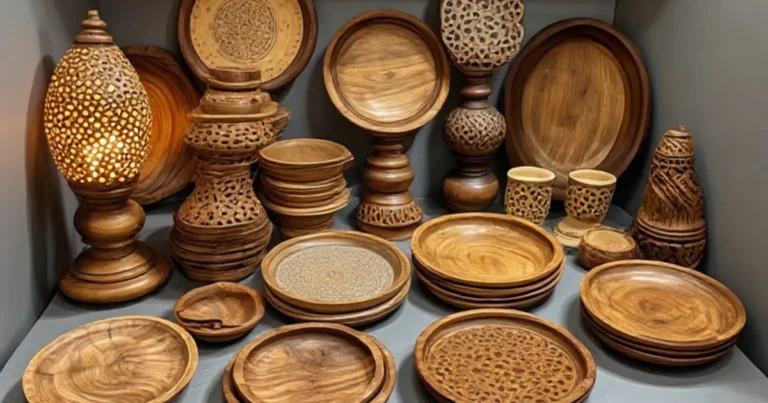
Solid wood handicrafts are made from natural timber such as Mango Wood, Sheesham (Indian Rosewood), Acacia, or Teak. Each product is crafted from real wood, showcasing unique grain patterns, natural textures, and variations that make every piece distinctive.
Because no two pieces of timber are identical, solid wood products offer authenticity and a premium appearance that many consumers appreciate.
Common solid wood handicrafts include:
- Decorative bowls
- Serving trays
- Candle holders
- Wall décor
- Jewelry boxes
- Sculptures
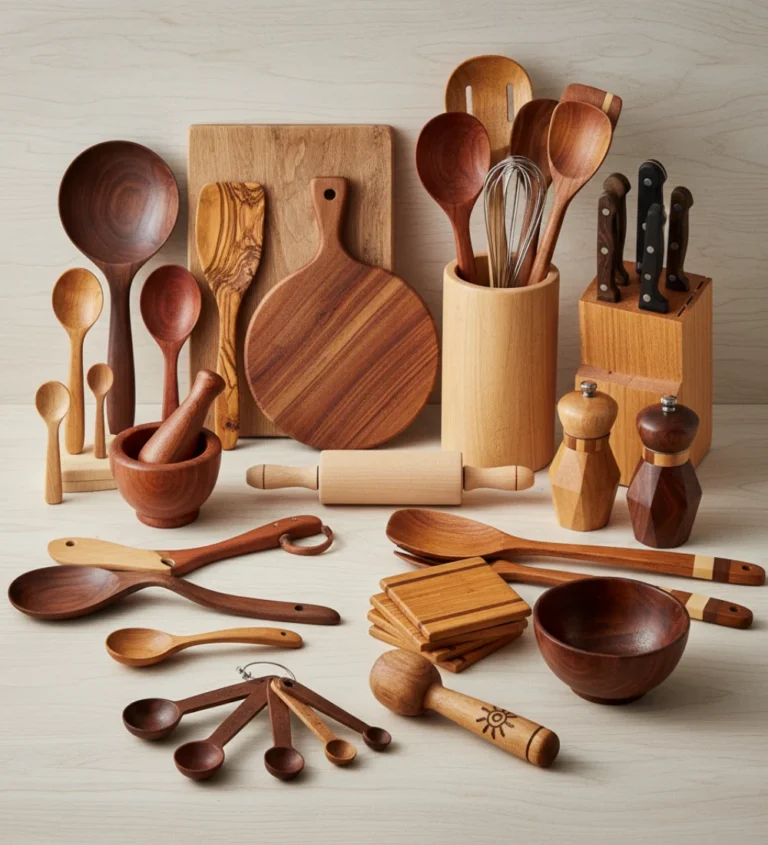
- Wooden kitchen accessories
- Gift items
What Is MDF or Engineered Wood?
MDF is an engineered wood product manufactured by compressing wood fibers with resin under high pressure and heat. Other engineered wood materials include plywood, particleboard, and laminated boards.
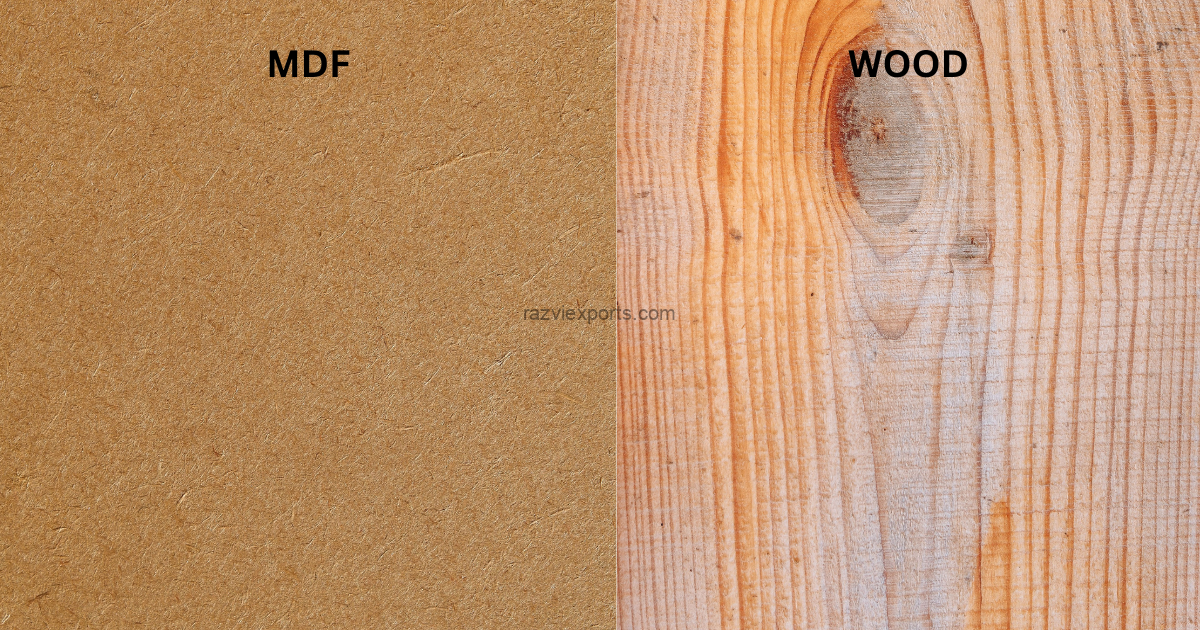
Unlike solid wood, MDF has a smooth, uniform surface without natural grain patterns, making it suitable for painted or decorative finishes.
Engineered wood is commonly used for:
- Painted decorative items
- Laser-cut wall art
- Budget-friendly gift products
- Decorative signs
- Flat-pack decorative products
Solid Wood vs MDF: Key Differences
| Feature | Solid Wood | MDF / Engineered Wood |
|---|---|---|
| Material | Natural timber | Compressed wood fibers |
| Appearance | Unique natural grain | Smooth, uniform surface |
| Durability | Excellent | Moderate |
| Moisture Resistance | Good (varies by wood type) | Lower than solid wood |
| Weight | Medium to heavy | Generally heavier for its size |
| Carving Quality | Excellent | Limited for deep carving |
| Longevity | Long-lasting | Moderate lifespan |
| Repairability | Can often be refinished | Difficult to repair once damaged |
| Price | Higher | More economical |
Appearance and Aesthetic Appeal
For decorative handicrafts, appearance plays a major role in customer purchasing decisions.
Solid wood offers natural grain, color variations, and character that cannot be replicated by engineered materials. These unique features enhance the handcrafted appeal and increase perceived value.
MDF, on the other hand, provides a perfectly smooth surface that is ideal for painted finishes, printed designs, or modern decorative styles. However, it lacks the warmth and authenticity associated with real wood.
For premium home décor collections, buyers generally prefer solid wood because of its timeless appearance.
Durability and Export Performance
Products intended for international shipping must withstand handling, packaging, and transportation.
High-quality solid wood, when properly seasoned and manufactured, performs exceptionally well during export. Dense hardwoods such as Sheesham, Acacia, and Teak are particularly valued for their strength and durability.
MDF is more sensitive to prolonged exposure to moisture. If water penetrates the surface, the material may swell or lose structural integrity. For this reason, MDF products require careful storage and protective packaging during transportation.
For export markets where durability and long service life are priorities, solid wood is generally the preferred option.
Sustainability Considerations
Both materials can contribute to sustainable manufacturing when responsibly sourced.
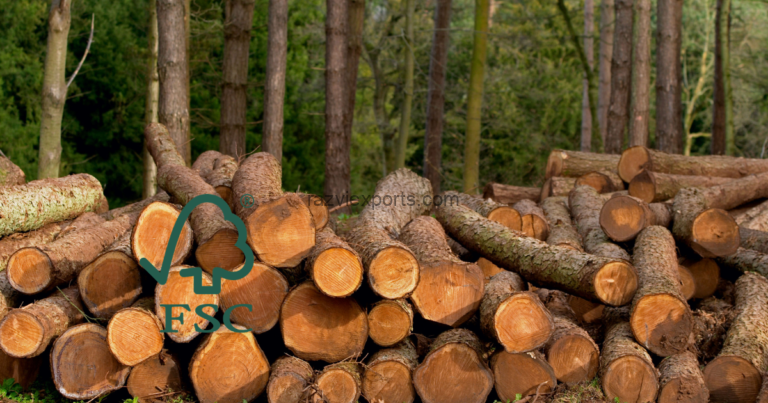
Solid wood from sustainably managed forests or plantation-grown species such as Mango Wood provides a renewable and environmentally responsible material.
Engineered wood products make efficient use of wood fibers and manufacturing by-products, reducing waste during production. However, buyers should also consider the adhesives and resins used in engineered wood, particularly if environmental certifications are important for their market.
Which Material Offers Better Value?
The answer depends on your target customers.
Choose solid wood if your business focuses on:
- Premium home décor
- Luxury gift collections
- Long-lasting handcrafted products
- Natural wood finishes
- High-end retail markets
Choose MDF or engineered wood if your priority is:
- Budget-friendly decorative products
- Painted designs
- Large-volume promotional items
- Lightweight decorative displays
- Cost-sensitive retail segments
Rather than comparing price alone, buyers should evaluate the product’s intended use, expected lifespan, and customer expectations.
Which Material Does Razvi Exports Recommend?
At Razvi Exports, we primarily manufacture handcrafted products using quality solid woods such as Mango Wood, Acacia, Sheesham, and Teak because they provide the durability, craftsmanship, and natural beauty expected by international buyers.
While engineered wood may be suitable for certain decorative applications, solid wood remains the preferred choice for premium handcrafted collections due to its strength, unique grain patterns, and long-term value.
Our team also helps buyers select the most appropriate wood species based on product design, destination market, customization requirements, and budget, ensuring every project balances quality with commercial objectives.
Frequently Asked Questions
Is solid wood better than MDF for handicrafts?
For most premium handcrafted products, yes. Solid wood offers superior durability, natural beauty, and a longer lifespan, making it a preferred choice for export-quality handicrafts.
Is MDF suitable for export?
Yes, MDF can be exported successfully when properly manufactured and packaged. However, it generally requires greater protection from moisture than solid wood products.
Which material is more environmentally friendly?
Both can be sustainable. Responsibly sourced solid wood and engineered wood manufactured using recycled fibers each offer environmental benefits, depending on their sourcing and production practices.
Why do premium wooden handicrafts use solid wood?
Premium products use solid wood because of its authentic grain, superior strength, repairability, and ability to showcase fine craftsmanship.
Conclusion
Both solid wood and MDF have important roles in the handicraft industry, but they serve different market needs. Solid wood offers timeless beauty, exceptional durability, and premium appeal, while MDF provides a cost-effective solution for painted and budget-conscious decorative products.
For businesses seeking long-lasting, export-quality wooden handicrafts, solid wood continues to be the preferred material. By understanding the strengths and limitations of each option, buyers can select products that align with their brand, customer expectations, and long-term business goals.
If you are looking for expertly crafted solid wood handicrafts for wholesale and export, Razvi Exports offers customized manufacturing solutions using premium wood species, reliable quality control, and export-ready packaging to support international buyers.
Check our more Articles : How Handmade Wooden Kitchenware Is Made in India: Complete Manufacturing Process
Wooden Handicrafts: Complete Buyer’s Guide for Importers, Wholesalers & Retailers
Types of Wood Used in Indian Handicrafts: Mango, Sheesham, Teak & Acacia Compared
Wooden Handicraft Care & Maintenance Guide: Keep Your Wooden Décor Beautiful for Years