How Handmade Wooden Kitchenware Is Made in India: Complete Manufacturing Process
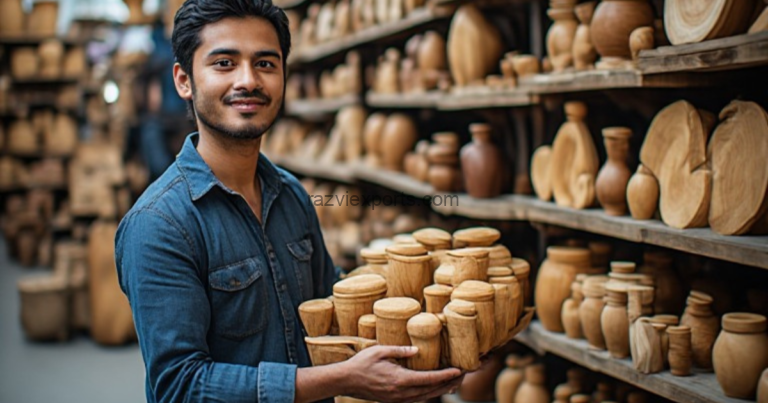
India has a long tradition of crafting wooden kitchenware by hand, blending regional woodworking techniques with sustainable materials and artisan craftsmanship. From wooden spatulas and chopping boards to bowls, rolling pins, and serving trays, handmade wooden kitchenware is valued globally for its durability, natural aesthetics, and eco-friendly appeal.
This article explains the complete process of how handmade wooden kitchenware is made in India, the materials used, the artisan techniques involved, and why Indian manufacturers are becoming preferred suppliers for global importers.
Introduction
Handmade wooden kitchenware from India is widely exported to markets in the US, Europe, the Middle East, and Australia due to its craftsmanship, sustainability, and unique aesthetic appeal. Indian artisans use traditional woodworking methods combined with modern finishing techniques to produce kitchen products that are functional, durable, and visually appealing.
Unlike mass-produced plastic alternatives, handcrafted wooden kitchenware offers natural texture, heat resistance, and environmentally friendly production methods.
Types of Handmade Wooden Kitchenware Made in India
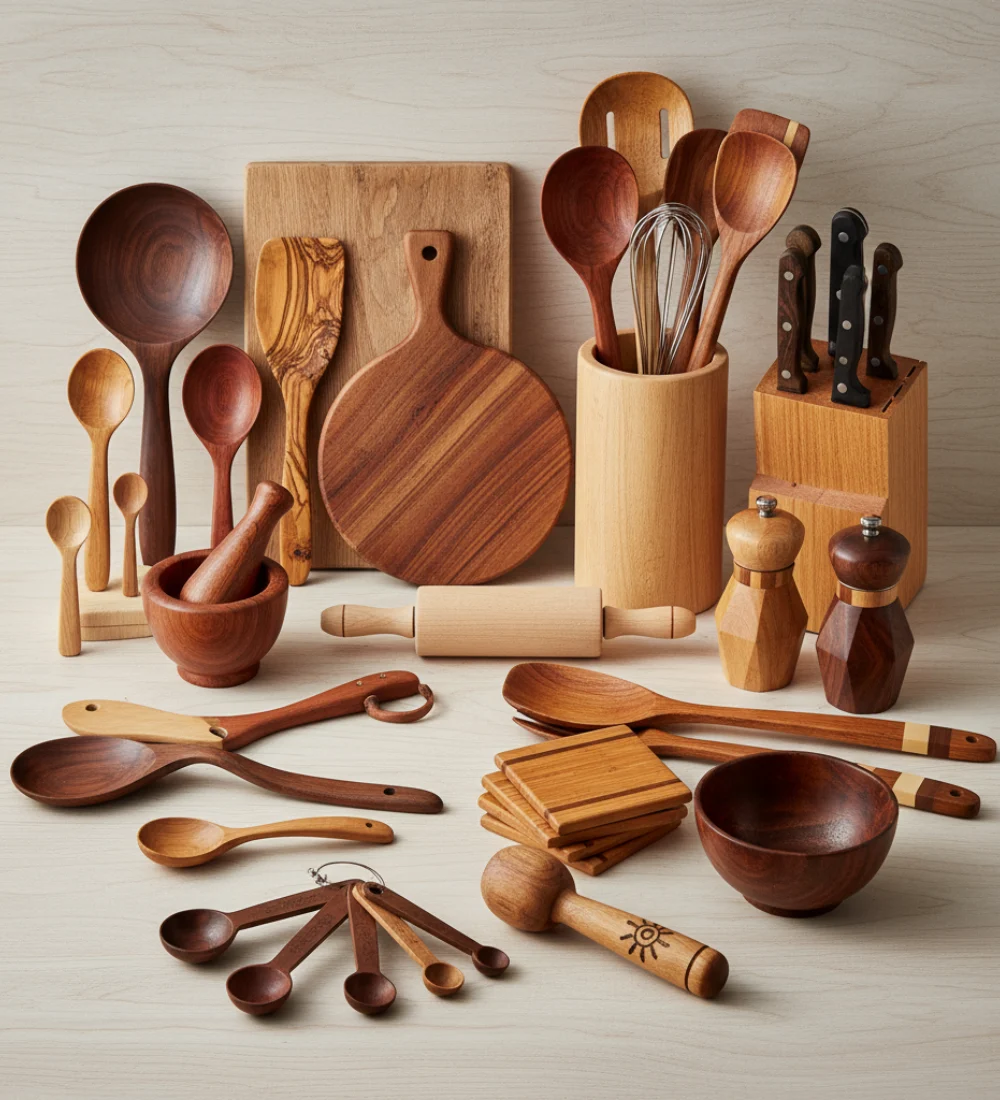
Indian manufacturers produce a wide variety of kitchenware products, including:
- Wooden spoons
- Spatulas
- Rolling pins
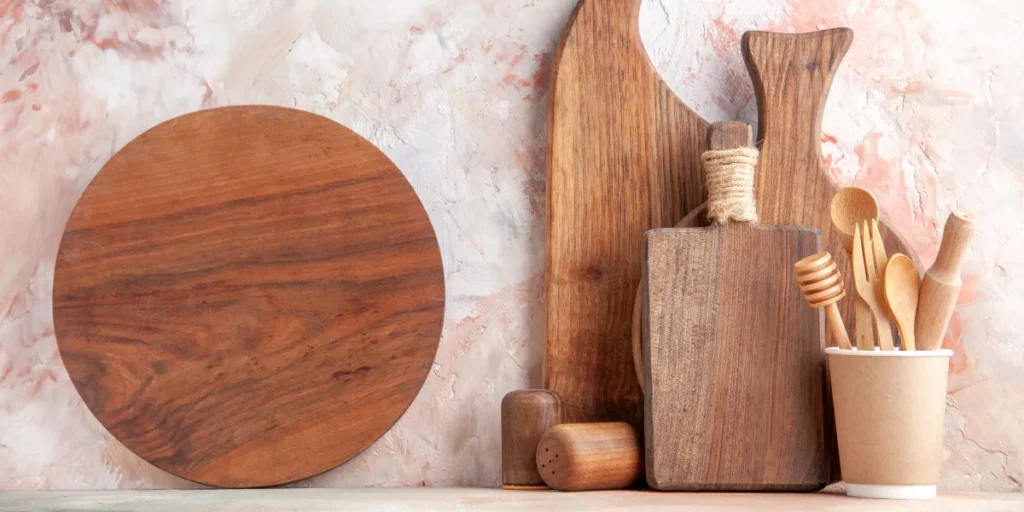
- Chopping boards
- Serving bowls
- Salad servers
- Coasters
- Serving trays
- Mortar and pestles
- Wooden ladles
- Butter knives
- Storage containers
Step-by-Step Process of Making Handmade Wooden Kitchenware in India
1. Selection of Wood
The process begins with selecting high-quality hardwoods suitable for kitchen use.
Common woods used include:
| Wood Type | Characteristics | Common Products |
|---|---|---|
| Mango Wood | Lightweight, sustainable | Bowls, trays |
| Acacia Wood | Durable, water-resistant | Cutting boards |
| Teak Wood | Premium quality, long-lasting | Serving ware |
| Sheesham Wood | Rich grain pattern | Utensils, décor |
| Neem Wood | Naturally antibacterial | Cooking spoons |
Manufacturers carefully inspect wood for:
- Moisture content
- Grain consistency
- Crack resistance
- Food safety suitability
Seasoned wood is preferred to prevent warping or cracking later.
2. Wood Seasoning and Drying
Freshly cut wood contains moisture that can damage finished products over time.
To improve durability, the wood undergoes seasoning through:
- Air drying
- Kiln drying
- Natural curing
This process can take several days or weeks depending on the wood type and climate conditions.
Proper seasoning helps:
- Prevent fungal growth
- Reduce shrinkage
- Improve product stability
- Increase lifespan
3. Cutting and Shaping
Once dried, the wood is cut into blocks or slabs based on the intended product.
Artisans use:
- Hand saws
- Band saws
- Lathes
- Chisels
- Carving tools
Products such as bowls and rolling pins are often shaped using traditional wood-turning techniques.
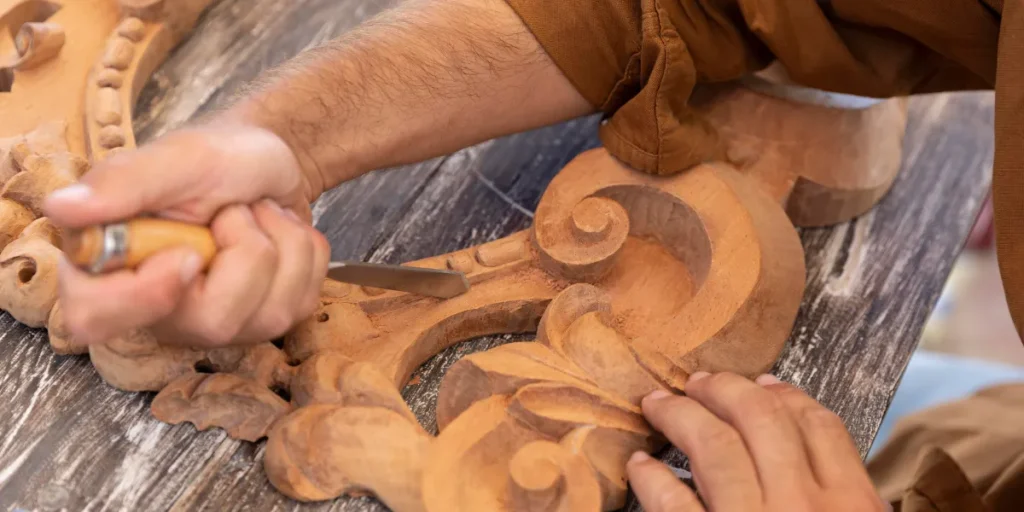
For handcrafted products, artisans manually carve and shape each item, ensuring uniqueness in every piece.
4. Sanding and Surface Smoothing
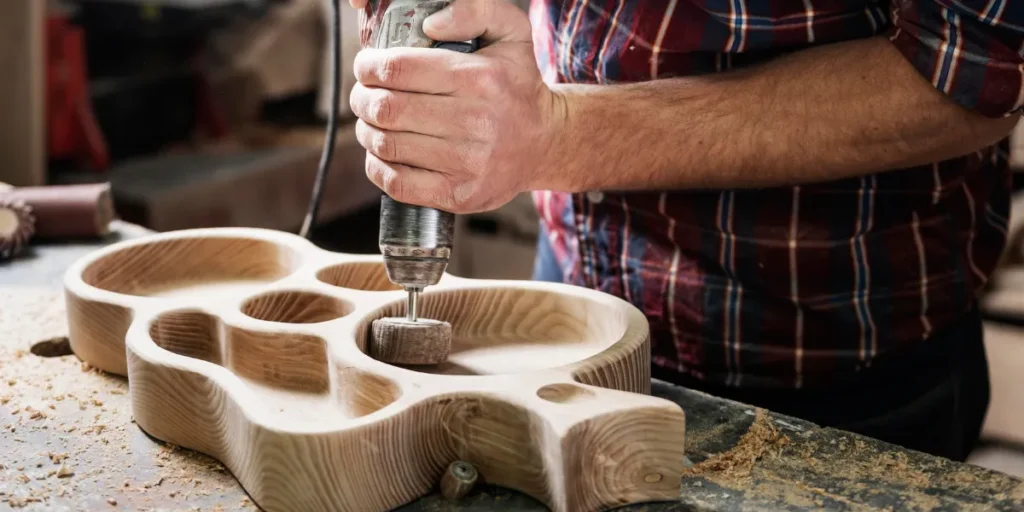
After shaping, the products are sanded to achieve a smooth finish.
This stage involves:
- Coarse sanding
- Fine sanding
- Edge smoothing
- Surface polishing
Proper sanding is essential for:
- User safety
- Premium appearance
- Comfortable grip
- Better finishing absorption
High-quality exporters often use multiple sanding stages to meet international quality standards.
5. Hand Carving and Decorative Work
Many Indian wooden kitchenware products feature handcrafted detailing such as:
- Engraving
- Burn patterns
- Floral carvings
- Ethnic motifs
- Minimalist modern designs
This decorative craftsmanship increases the aesthetic and commercial value of the products.
Some artisan clusters specialize in region-specific designs influenced by Indian heritage art forms.
6. Food-Safe Finishing
One of the most important stages is applying food-safe finishes.
Manufacturers commonly use:
- Mineral oil
- Beeswax
- Coconut oil
- Natural lacquer
- Plant-based sealants
The finish protects the wood against:
- Moisture absorption
- Stains
- Cracking
- Odor retention
Export-quality kitchenware must comply with food safety standards required by importing countries.
7. Quality Inspection
Before packaging, products undergo detailed quality checks.
Manufacturers inspect:
- Smoothness
- Structural integrity
- Uniform dimensions
- Finishing quality
- Moisture balance
- Packaging durability
For exports, additional compliance checks may include:
- FSC certification
- Food-grade compliance
- Moisture testing
- Chemical safety verification
8. Packaging and Export Preparation
Finished products are packaged carefully to avoid damage during international shipping.
Common packaging methods include:
- Recycled paper wrapping
- Corrugated export cartons
- Individual product sleeves
- Eco-friendly packaging materials
Exporters also label products according to buyer specifications and destination country regulations.
Why Indian Handmade Wooden Kitchenware Is Popular Globally
1. Sustainable and Eco-Friendly
Wooden kitchenware is biodegradable and reusable, making it a preferred alternative to plastic utensils.
India’s growing focus on sustainable manufacturing strengthens its export appeal.
2. Skilled Artisan Craftsmanship
Indian artisans possess generations of woodworking expertise, specially in regions known for handicrafts and wood carving.
Handmade products often display:
- Better detailing
- Authenticity
- Unique wood grain patterns
- Artisan value
3. Cost-Effective Manufacturing
India offers competitive production costs while maintaining high-quality craftsmanship, making it attractive for global wholesalers and retailers.
4. Strong Export Infrastructure
Indian exporters supply wooden kitchenware worldwide through:
- OEM manufacturing
- Private labeling
- Bulk export orders
- Custom design production
Major Wooden Kitchenware Manufacturing Regions in India
Key production hubs include:
| Region | Specialty |
|---|---|
| Saharanpur | Wood carving and handicrafts |
| Jodhpur | Rustic wooden décor |
| Moradabad | Export handicrafts and Manufacturing |
| Jaipur | Artisan home products |
| Kerala | Teak and coconut wood products |
These clusters support both small artisan workshops and large export-oriented manufacturers.
Challenges in Handmade Wooden Kitchenware Manufacturing
Despite growing demand, manufacturers face several challenges:
- Rising raw material costs
- Sustainable wood sourcing regulations
- International compliance standards
- Competition from machine-made products
- Moisture control during exports
However, demand for sustainable home products continues to drive industry growth.
Future Trends in Wooden Kitchenware
The global market is shifting toward:
- Sustainable kitchen products
- Plastic-free homes
- Natural serving ware
- Minimalist wooden aesthetics
- Handmade artisan products
Indian exporters are increasingly focusing on:
- FSC-certified wood
- Eco-friendly packaging
- Premium finishing
- Modern Scandinavian-inspired designs
FAQ
What wood is used for handmade kitchenware in India?
Indian manufacturers commonly use mango wood, acacia wood, teak wood, sheesham wood, and neem wood for handmade kitchenware.
Is wooden kitchenware safe for cooking?
Yes, food-grade wooden kitchenware finished with natural oils and non-toxic coatings is safe for cooking and serving food.
Why is Indian wooden kitchenware popular?
Indian wooden kitchenware is valued for its handcrafted quality, sustainability, traditional craftsmanship, and competitive pricing.
How are wooden utensils finished?
Wooden utensils are typically sanded and coated with food-safe oils such as mineral oil, beeswax, or coconut oil.
Which Indian city is famous for wooden handicrafts?
Saharanpur is one of India’s most well-known hubs for wooden handicrafts and kitchenware manufacturing.