Types of Wood Used in Indian Handicrafts: Mango, Sheesham, Teak & Acacia Compared
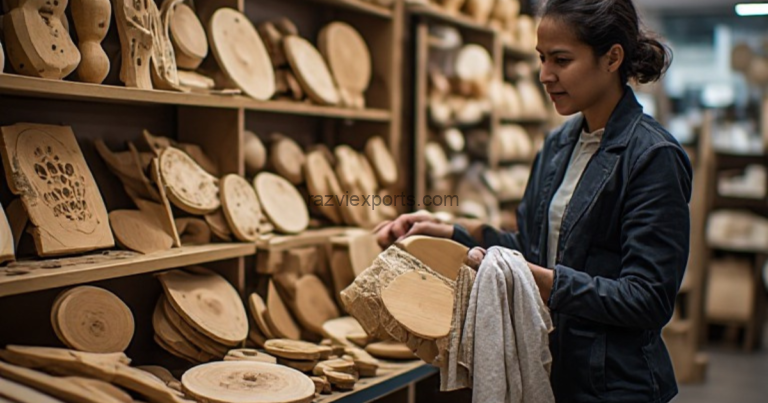
Indian wooden handicrafts are admired worldwide for their craftsmanship, durability, and timeless appeal. However, the beauty and performance of a handcrafted product depend not only on the artisan’s skill but also on the type of wood used during manufacturing.
Each wood species has unique characteristics that influence its appearance, strength, weight, workability, and cost. Whether you’re an importer, wholesaler, retailer, or interior designer, understanding the differences between Mango, Sheesham, Teak, and Acacia wood can help you choose products that meet your market’s expectations.
This guide compares the four most commonly used wood species in Indian handicrafts, highlighting their advantages, limitations, and ideal applications.
Why the Choice of Wood Matters
The wood used in a handcrafted product affects much more than its appearance. It influences durability, carving quality, resistance to moisture, maintenance requirements, and overall value.
Choosing the right material helps ensure that the finished product:
- Maintains its shape during transportation
- Resists cracking and warping
- Matches the intended design style
- Meets customer expectations for quality
- Offers good long-term value
For export buyers, understanding wood characteristics also helps when selecting products for different climates and customer preferences.
Mango Wood
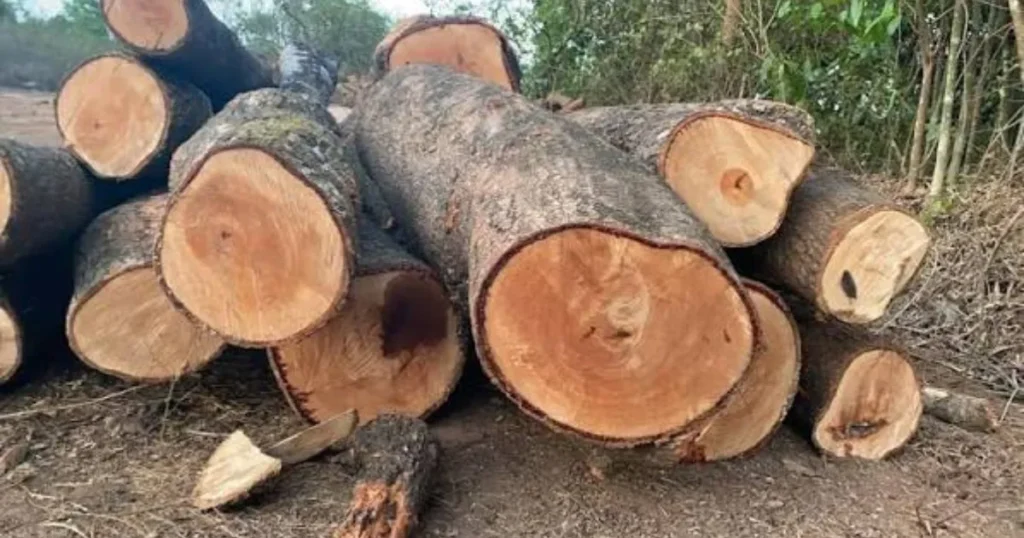
Mango wood has become one of the most popular materials for Indian handicrafts because it combines sustainability, attractive grain patterns, and affordability.
Harvested after mango trees complete their fruit-bearing life, this hardwood gives new purpose to trees that would otherwise be discarded. This makes it an environmentally responsible option for many decorative products.
Characteristics
- Light to medium brown color
- Natural grain with unique patterns
- Medium-density hardwood
- Easy to carve and shape
- Accepts stains and finishes well
Advantages
- Sustainable and eco-friendly
- Attractive natural appearance
- Good balance between durability and cost
- Excellent for handcrafted detailing
- Widely available
Best Applications
- Decorative bowls
- Serving trays
- Candle holders
- Wall décor
- Photo frames
- Decorative boxes
- Home accessories
Considerations
Although durable for everyday decorative use, Mango wood is softer than Teak and may require additional care for heavy-duty applications.
Sheesham Wood (Indian Rosewood)
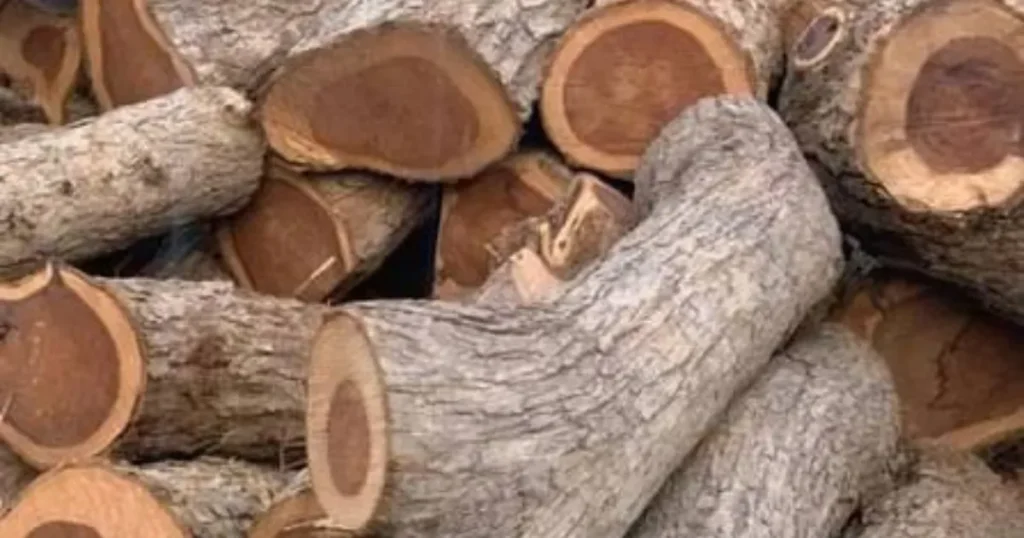
Sheesham is widely regarded as one of India’s premium hardwoods. Known for its rich color and striking grain, it is frequently used in luxury furniture and high-end handicrafts.
Its elegant appearance makes it particularly attractive for premium retail collections.
Characteristics
- Rich golden to dark brown color
- Distinctive grain patterns
- Dense hardwood
- Naturally durable
- Excellent carving properties
Advantages
- Premium appearance
- High strength
- Long service life
- Beautiful natural finish
- Excellent resistance to wear
Best Applications
- Premium decorative items
- Jewelry boxes
- Luxury gift products
- Carved sculptures
- Office accessories
- Decorative storage boxes
Considerations
Because of its premium quality, Sheesham products generally cost more than Mango wood alternatives.
Teak Wood
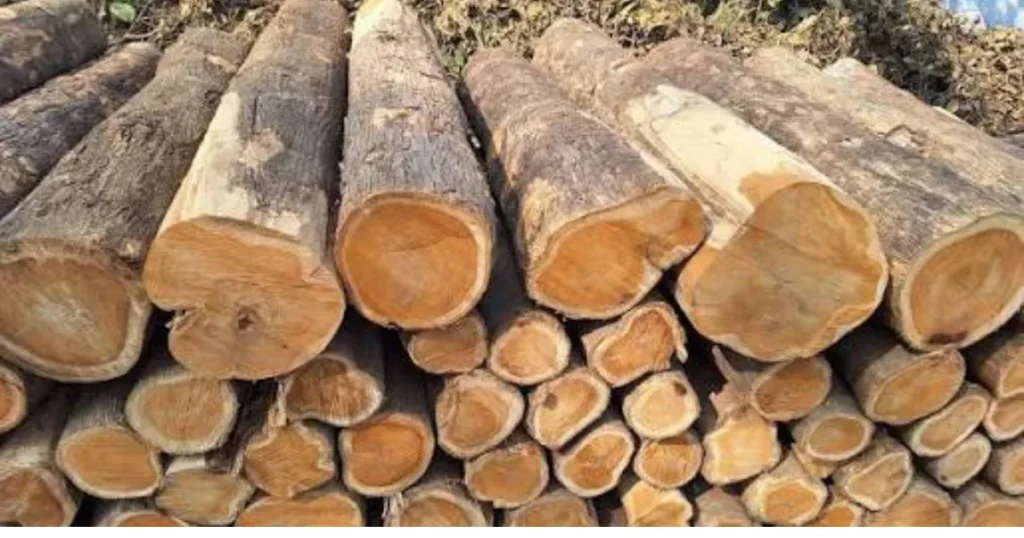
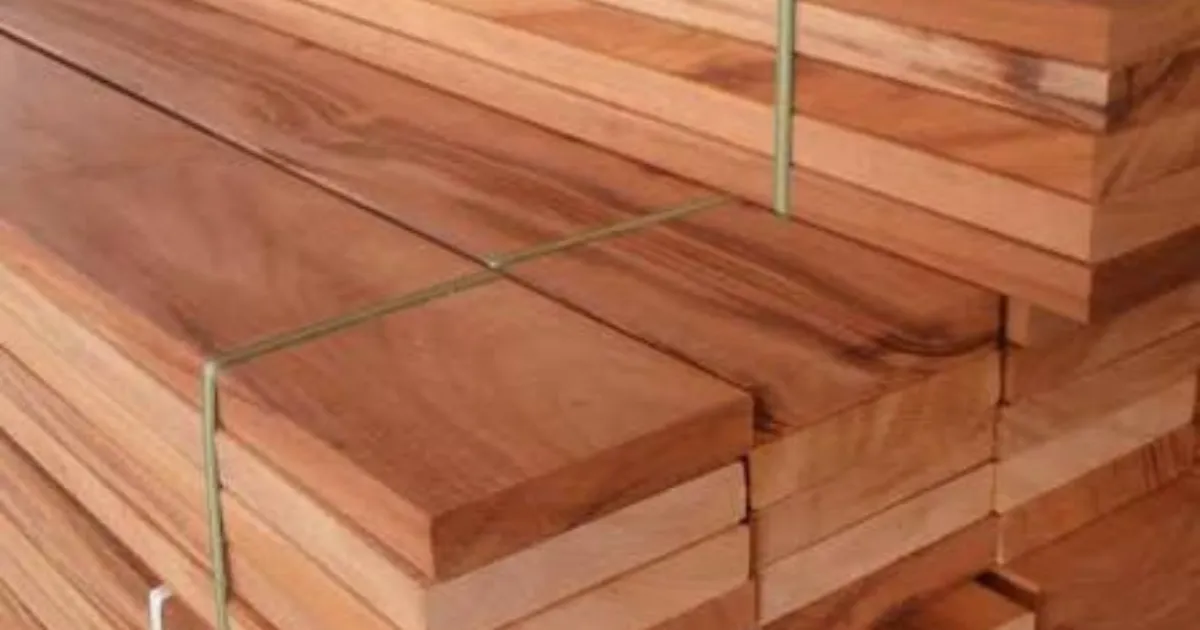
Teak is considered one of the world’s finest hardwoods. Its natural oils provide exceptional resistance to moisture, insects, and weather, making it ideal for products requiring superior durability.
Although Teak is commonly associated with furniture, it is also used for premium handcrafted decorative items.
Characteristics
- Golden brown color
- Straight grain
- High natural oil content
- Exceptional durability
- Excellent dimensional stability
Advantages
- Outstanding longevity
- Moisture resistant
- Naturally resistant to insects
- Low maintenance
- Premium market value
Best Applications
- Premium home décor
- Decorative trays
- Luxury gift collections
- High-end kitchen accessories
- Decorative serving boards
Considerations
Teak is one of the most expensive wood options. Its higher cost is often justified for buyers targeting premium markets.
Acacia Wood
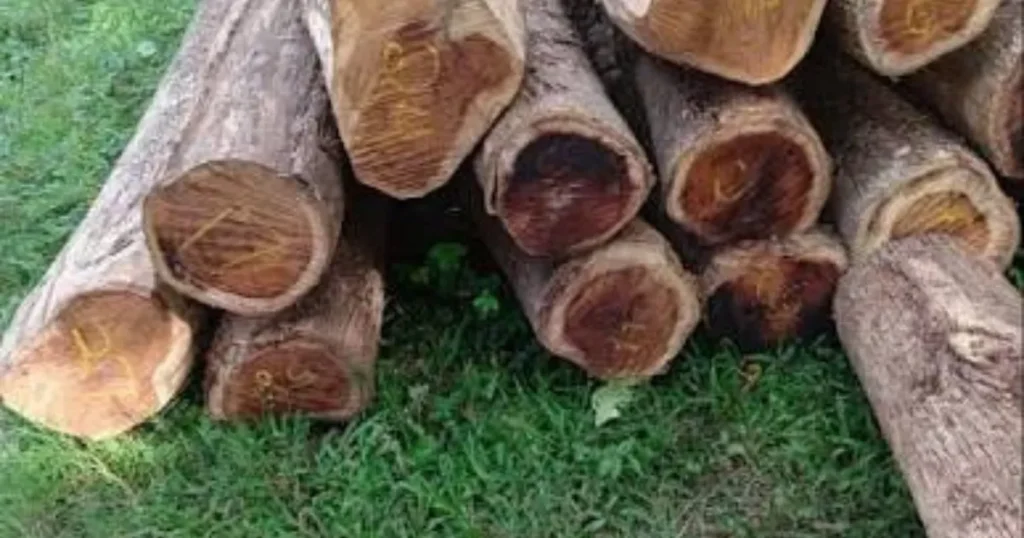
Acacia has become increasingly popular because it offers excellent strength while remaining more affordable than many premium hardwoods.
Its attractive grain and natural durability make it suitable for both decorative and functional products.
Characteristics
- Medium to dark brown color
- Attractive grain variation
- Dense hardwood
- Strong and durable
- Naturally moisture resistant
Advantages
- Excellent durability
- Good resistance to daily wear
- Beautiful grain patterns
- Suitable for food-contact products when properly finished
- Competitive pricing
Best Applications
- Serving boards
- Wooden bowls
- Kitchen accessories
- Decorative trays
- Coasters
- Dining accessories
Considerations
Acacia is heavier than Mango wood, which may slightly increase shipping costs for larger orders.
Comparison Table: Mango vs Sheesham vs Teak vs Acacia
| Feature | Mango Wood | Sheesham Wood | Teak Wood | Acacia Wood |
|---|---|---|---|---|
| Appearance | Light to medium brown | Rich dark brown | Golden brown | Medium to dark brown |
| Durability | Good | Excellent | Outstanding | Excellent |
| Sustainability | Excellent | Good | Good | Good |
| Weight | Medium | Heavy | Medium to Heavy | Heavy |
| Carving Quality | Very Good | Excellent | Good | Good |
| Moisture Resistance | Moderate | Good | Excellent | Very Good |
| Price | 10-12$ CFT | 18-20$ CFT | 26-30$ CFT | 13-15$ CFT |
| Best For | Home décor | Premium gifts | Luxury products | Kitchenware |
Which Wood Is Best for Different Products?
There is no universal “best” wood. The right choice depends on the intended application, target customers, and budget.
Choose Mango Wood if you need:
- Affordable handcrafted décor
- Sustainable product collections
- Decorative gift items
- Modern home accessories
Choose Sheesham if you need:
- Premium handcrafted products
- Luxury gift collections
- Rich natural appearance
- High-end retail products
Choose Teak if you need:
- Maximum durability
- Premium decorative accessories
- Moisture-resistant products
- Long-term performance
Choose Acacia if you need:
- Functional kitchenware
- Durable serving accessories
- Attractive grain patterns
- Strong everyday-use products
Tips for Buyers Choosing Wooden Handicrafts
When sourcing handcrafted wooden products, avoid selecting wood based on price alone. Instead, consider:
- Target customer preferences
- Product functionality
- Environmental conditions
- Desired finish
- Shipping destination
- Long-term durability
- Sustainability requirements
Requesting product samples before placing a bulk order allows buyers to evaluate craftsmanship, finish quality, color consistency, and overall construction.
Experienced exporters also recommend confirming the wood species, finishing specifications, and packaging requirements before production begins to reduce misunderstandings and improve consistency.
Check our compelet buyer guide for handicrafts products
Frequently Asked Questions
Which wood is most commonly used in Indian handicrafts?
Mango wood is among the most widely used materials because it is sustainable, attractive, easy to work with, and suitable for a wide variety of decorative products.
Which wood is the most durable?
Teak is generally considered the most durable due to its natural resistance to moisture, insects, and environmental changes.
Is Sheesham better than Mango wood?
Both woods have different strengths. Sheesham offers a more premium appearance and greater hardness, while Mango wood provides excellent value, sustainability, and versatility for decorative handicrafts.
Is Acacia wood suitable for kitchen products?
Yes. Acacia wood is strong, naturally moisture resistant, and commonly used for serving boards, bowls, trays, and dining accessories when properly finished.
Which wood is best for export-quality handicrafts?
The best wood depends on the product application, target market, and budget. At Razvi Exports, we help buyers select the most suitable wood species based on product requirements, durability, and customization needs.
Conclusion
The wood species used in a handcrafted product plays a significant role in its appearance, durability, and market value. Mango wood offers sustainability and affordability, Sheesham delivers premium elegance, Teak provides exceptional longevity, and Acacia combines strength with versatility.
Understanding these differences helps importers, wholesalers, retailers, and private-label brands make informed sourcing decisions while selecting products that match customer expectations.
At Razvi Exports, we help buyers choose the most suitable wood species based on product application, target market, and customization requirements. Whether you’re sourcing decorative home accessories, kitchenware, or premium handcrafted gift items, selecting the right material is the first step toward building a successful product collection.
Looking for export-quality wooden handicrafts? Contact Razvi Exports to discuss your requirements, request product samples, or explore customized manufacturing solutions for your business.